Good to Great By Jim Collins
Good to Great is a colossal business classic. It came about as a challenge about the usefulness of Built to Last, another business classic that Jim Collins co-wrote with Jerry I. Porras – a question that moved the author so much he decided to conduct a study, which would last five years, to answer that particular question. The answers of the Good-to-Great research project were subdivided into three broad categories: Disciplined people, disciplined thought, and disciplined action. Within each of these categories, there are two key concepts to take note of. Wrapping around this entire framework is a concept the Good-to-Great research team came to call the “Flywheel concept.”
The Key Elements of Transforming a Company from Good to Great are Listed as Follows:
- Level 5 Leadership
- First Who… Then What
- Confront the Brutal Facts (yet Never Lose Faith)
- The Hedgehog Concept (Simplicity Within the Three Circles)
- A Culture of Discipline
- Technology Accelerators
- The Flywheel and the Doom Loop
In the next few paragraphs I will summarize these findings
as best as I can. Feel free to add your comments and questions
in the comments section below.
Level 5 Leadership
Level 5 is a combination of humility and strength of character. These leaders are a study in duality: they are modest yet wilful, they are humble yet fearless.
A key trait of Level 5 leaders is that they are ambitious first and foremost for the company, they are concerned more about the company’s success rather than their own personal ambitions. Jim Collins warns though, that the humility of Level 5 leaders should not be mistaken for weakness. These leaders have a sheer intensity and dedication to their demeanour that makes them want to turn everything they touch into the best it can possibly be. The author claims, “Level 5 leadership is not just about humility and modesty. It is equally about ferocious resolve, an almost stoic determination to do whatever needs to be done to make the company great… even if it means firing their own brother.”
In contrast, the comparison leaders who failed to build great companies were concerned more with their own reputation for personal greatness, and often failed to set up the company for success in the next generation. The author writes, “Some had the ‘biggest dog’ syndrome – they didn’t mind other dogs in the kennel, as long as they remained the biggest one.” It appears their personal ambition was more important to them than the enduring success of the companies they were building.
Here are the 5 Levels of Leadership:
- Level 5 Executive
- Effective Leader
- Competent Manager
- Contributing Team Member
- Highly Capable individual.
First Who… Then What
Level 5 leadership, by itself, is not enough to build a great company. Transforming a company from good to great requires a team of smart, dedicated and hardworking executives.
Jim Collins’ research revealed that the good to great companies first got the right executives into the company, they got rid of the wrong people, and they got the right people in the right positions before taking off into greatness.
The author believes that if you begin with the question of “who” rather than “what” you can more easily adapt to a changing world. And if you have the right people on your team, the problem of motivating and managing people largely goes away.
Only A-Players who were ready and willing to bring forth an A+ performance were accepted into key positions in the Good-to-Great companies.
Jim Collins says, “Good-to-Great companies placed greater weight on character attributes than on specific educational background, practical skills, specialised knowledge, or work experience. Not that knowledge or skills are not important, but they viewed these traits more as teachable and learnable.”
The aim of the First Who… Then What concept is not to turn lazy people into hard workers, but to create an environment where hard working people will thrive.
Confront the Brutal Facts
“Facts are better than dreams,” writes Jim, “breakthrough results came about by a series of good decisions, diligently executed and accumulated one on top of another… when you start with an honest and diligent effort to determine the truth of the situation, the right decisions become obvious.”
The Good-to-Great companies never let success go to their heads. They never became complacent. These companies embraced what Jim Collins calls The Stockdale Paradox.
What’s The Stockdale Paradox?
“On the one hand they stoically accepted the brutal facts of reality. On the other hand, they maintained an unwavering faith in the endgame, a commitment to prevail as a great company despite the brutal facts.”
What separates people or companies is not the absence or presence of difficulty, but how they deal with the inevitable difficulties of life.
Leadership at the Good-to-Great companies didn’t begin just with a great vision. They began with getting people to confront the brutal facts and acting on the implications.
Here are four suggestions for creating a climate where the truth is heard, and the brutal facts are confronted successfully:
Lead with questions, not answers. First seek to understand.
Engage in dialogue and debate, not coercion.
Conduct autopsies without blame
Build “red flag” mechanisms that allow people to raise concerns without fear.
The Hedgehog Concept
Jim Collins tells the story of the hedgehog and the fox, in which the foxes are smart and cunning creatures, able to pursue many ends at the same time. They are multi-skilled and see the world in all its complexity. Foxes are scattered and diffused, moving on many levels, never integrating their thinking into one overall concept or vision. The hedgehogs, on the other hand, simplify a complex world into a single organising idea, a basic principle that unifies and guides everything.
Jim Collins insists that the comparison companies behaved much more like foxes, while the Good-to-Great companies behaved more like hedgehogs. Hence the term: “The Hedgehog Concept.”
A hedgehog concept “is a simple crystalline concept that flows from deep understanding about the intersection of the following three circles:
What can you be the best in the world at (and, equally important, what you cannot be the best in the world at)?
What drives your economic engine (how to most effectively generate sustained and robust cash flow and profitability)?
What are you deeply passionate about?”
The Good-to-Great companies stuck with what they understood and let their abilities, not their egos, determine what they attempted, whereas the comparison companies set their goals and strategies more from bravado than from understanding.
A Culture of Discipline
In order to avoid bureaucracy and hierarchy, in order to create a culture of discipline in which the company would continue to thrive and trip over its own success, the Good-to-Great companies built a consistent system with clear constraints, but they also gave people freedom and responsibility within the framework of the system. They hired self-disciplined people who didn’t need to be managed, and then managed the system, not the people.
Jim Collins says that we should not confuse a culture of discipline with a tyrant who disciplines people. He claims, “They are very different concepts, one highly functional, and the other highly dysfunctional. CEOs who personally discipline, through the sheer force of personality, usually fail to produce sustained results.”
Comparison companies failed, in the author’s viewpoint, because they were cultures wherein executives focused their efforts on negotiating the nuances of an intricate social hierarchy, not on customers, competitors, or changes in the external world.
He believes that bureaucratic cultures arise to compensate for incompetence and lack of discipline, which arise from having the wrong people on the bus in the first place.
A culture of discipline creates coherence and focus. The Good-to-Great companies channeled their resources into a few areas of focus, guided by their hedgehog concept. They not only did the right things that moved them towards greatness, but they also stopped doing the wrong things that would perpetuate mediocrity.
Technology Accelerators
Technology was not a creator of neither greatness nor mediocrity. Not to say that technology was irrelevant to a company’s performance, but by itself, technology was never a primary cause of neither greatness nor decline. Technology can’t turn a good enterprise into a great one, nor by itself prevent disaster.
Good to Great warns, “Thoughtless reliance on technology is a liability, not an asset. When used right – when limited to a simple, clear and coherent concept rooted in deep understanding – technology is an essential driver in accelerating forward momentum. But when used wrong – when grasped as an easy solution, without deep understanding of how it links to a clear and coherent concept – technology simply accelerates your own self-created demise.”
The hedgehog concept of the Good-to-Great companies drove its use of technology, not the other way around.
The Good-to-Great companies were driven by their own ambition and desire for excellence. They employed technology in moving towards greatness, not in reaction to what the competition was doing. Jim Collins says “Those who turn good into great are motivated by a deep creative urge and an inner compulsion for sheer unadulterated excellence for its own sake. Those who build and perpetuate mediocrity, in contrast, are motivated more by the fear of being left behind.”
The Flywheel and the Doom Loop
The good to great transformations happened gradually – over time. There was no miraculous event that turned everything on its head. It was all a cumulative process of disciplined thought and disciplined actions consistently over time. Jim Collins dubbed this phenomenon “The Flywheel Concept.” He writes, “The good to great companies tended not to publicly proclaim big goals at the outset. Rather they began to spin the flywheel – understanding to action, step after step, and turn after turn. After the flywheel built up momentum, they’d look and say, ‘Hey, if we just keep pushing on this thing, there’s no reason we can’t accomplish X.”
Ultimately, the flywheel concept relies heavily on consistency and coherence. Each turn of the wheel builds upon work done earlier. Although some pushes on the flywheel may have been bigger than others, no single push was entirely responsible for the sustained great results of these companies. Each push reflects a small fraction of the entire cumulative effect upon the flywheel.
Comparison companies, in contrast, practiced what the Jim calls “The Doom Loop”. He says, “Comparisons would push the flywheel in one direction, then stop, change course, and throw it in a new direction – and then they would stop, change course, and throw it in yet another direction. After years of lurching back and forth, the comparison companies failed to build momentum and fell instead into what we call the doom loop.”
The flywheel concept wraps around all the previous concepts discussed here: Level 5 Leadership, First Who… Then What, Confronting The Brutal Facts Without Losing Faith, Discovering and Following The Hedgehog Concept, Creating a Culture of Discipline, and Using Technology as an Accelerator to Greatness.
These are the key concepts
of building a great company.
How many do you practice in your own enterprise?
Have you articulated your hedgehog concept yet?
Are you spinning the flywheel towards greatness or simply lurching back and forth in the doom loop?
Let’s discuss these findings in the comments section below:
Joined the Local Success Club?
This is a community for people who want to:
• Start an online business
• Build multiple income streams
• Learn marketing and sales
• Turn ideas into profitable systems
Join the community here:
What You Miss By Not Joining the Local Success Club...
Free practical action-based workbooks designed to help you apply powerful success principles immediately.
Topics include:
Mindset, Wealth, Discipline, Spirituality, Productivity, Purpose, Relationships, and so much more...
How to Win Friends and Influence People
Learn the timeless people skills that open doors, build influence, strengthen relationships, and help you succeed in business and life without manipulation or force.
Five Steps to Successful Selling
Master the foundations of persuasion, confidence, and ethical selling so you can close more deals, grow your income, and serve customers more effectively.
Acres of Diamonds
Discover how the opportunities you’ve been searching for may already exist right where you are — hidden in your skills, experiences, and environment.
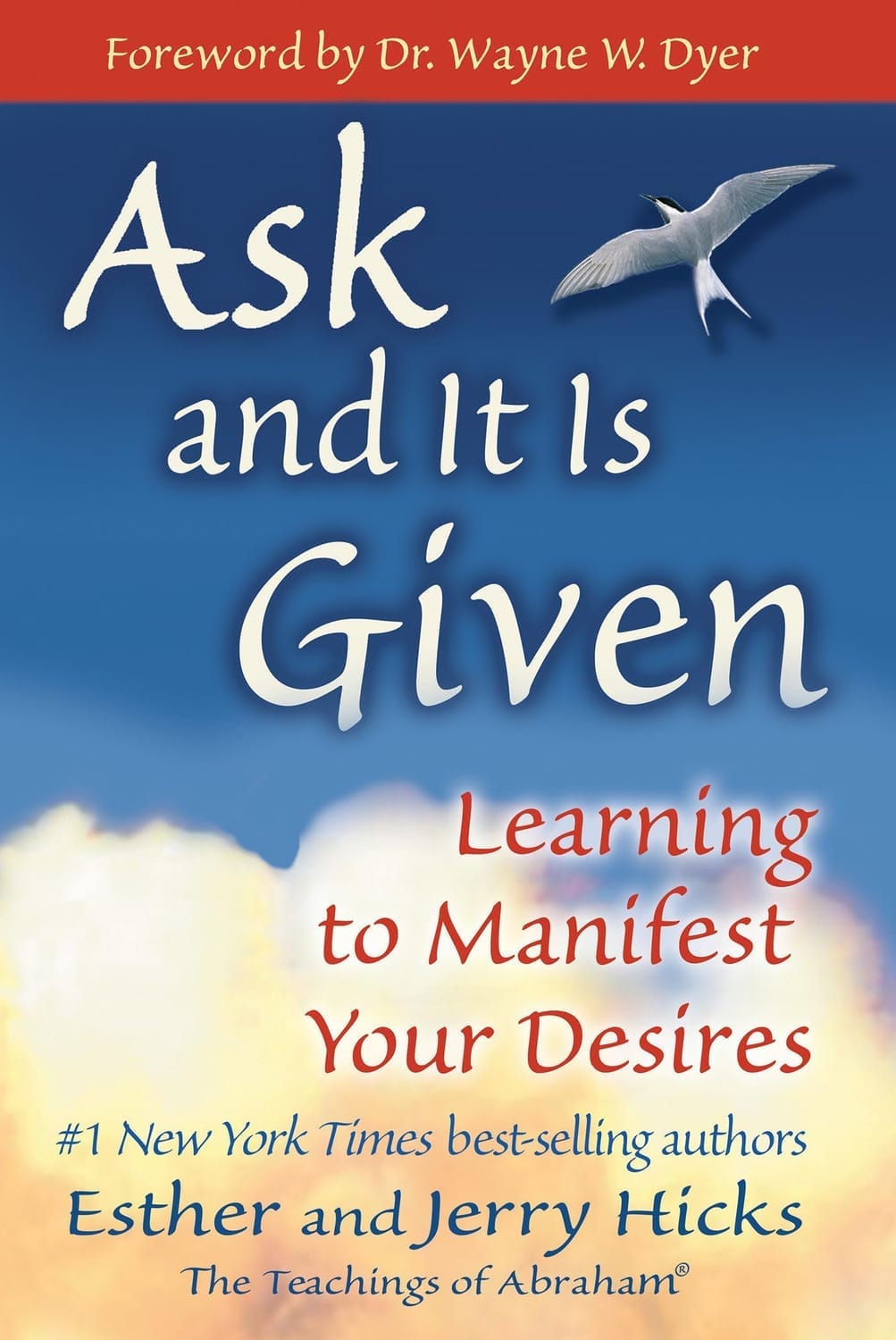
Ask and It Is Given
Learn how your thoughts, emotions, and expectations shape your reality — and how to deliberately attract better outcomes into your life.
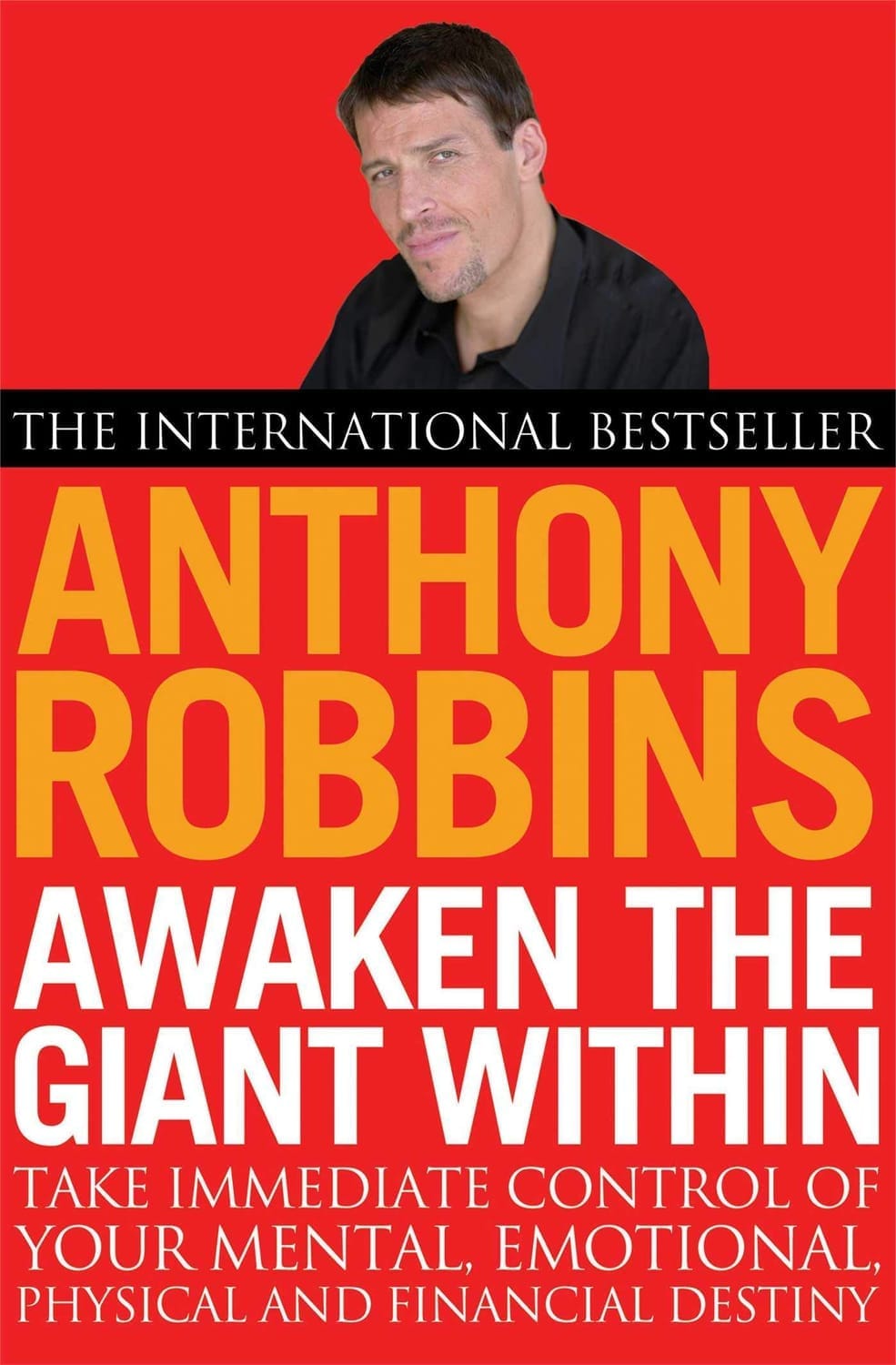
Awaken the Giant Within
Take control of your mindset, emotions, finances, and habits so you can unlock the power and potential already inside you.

Book of Proverbs
Timeless wisdom on discipline, money, relationships, leadership, and decision-making — practical success principles that still apply today.
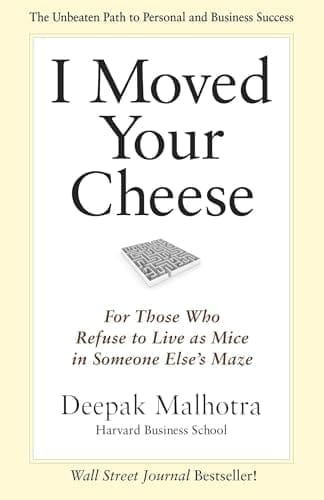
I Moved Your Cheese
A simple but powerful lesson on challenging paradigms, overcoming fear, and rethinking the status quo in an ever-changing world.

Peaks and Valleys
Learn how to navigate life’s highs and lows wisely — and how difficult seasons can become stepping stones to greater success.
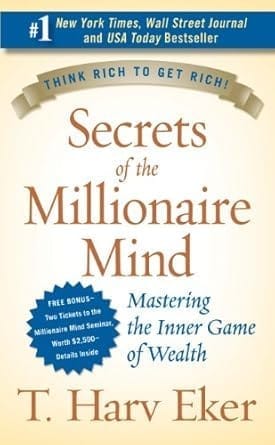
Secrets of the Millionaire Mind
Discover the hidden money beliefs shaping your financial life — and how to reprogram your mindset for wealth and abundance.
Switch
Understand why change is difficult — and learn practical strategies to successfully change habits, behaviors, and results.
The Compound Effect
Small daily actions may seem insignificant, but over time they create extraordinary results in wealth, health, and success.

The Four Agreements
Four simple but life-changing principles to help you experience greater peace, freedom, confidence, and healthier relationships.
The Goal
A powerful business novel that teaches you how to identify bottlenecks, improve productivity, and focus on what truly drives results.
The Millionaire Booklet
A practical wake-up call about money, ambition, and the mindset required to escape financial struggle and pursue wealth seriously.
The One Thing
Learn how focusing on the most important task can dramatically improve your productivity, results, and quality of life.
The Power of Full Engagement
Success isn’t just about managing time — it’s about managing your physical, emotional, mental, and spiritual energy effectively.
Richest Man In Babylon
Simple, timeless financial principles about saving, investing, discipline, and building long-term wealth.

The Strangest Secret
You become what you think about most. Learn how your thoughts shape your success, habits, and future.
The Way to Wealth
Classic lessons on hard work, discipline, frugality, and wise financial stewardship that remain relevant centuries later.
7 Spiritual Laws of Success
Discover spiritual principles that blend purpose, abundance, alignment, and inner peace with external success.

A Message to Garcia
A timeless lesson on initiative, responsibility, reliability, and becoming the kind of person who gets things done without excuses.
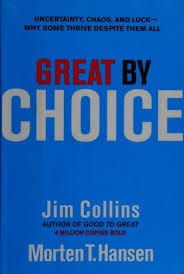
Great by Choice
Learn how exceptional companies succeed even in uncertainty through discipline, preparation, and consistent execution.
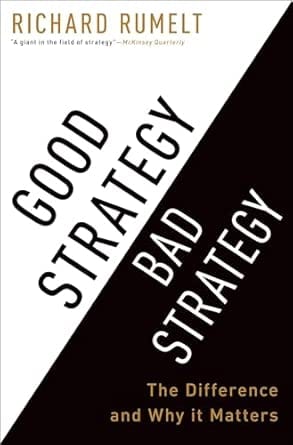
Good Strategy / Bad Strategy
Discover the difference between vague goals and real strategy — and learn how to focus your efforts where they matter most.
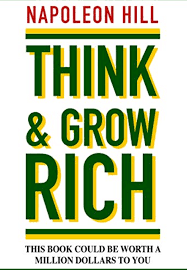
Think and Grow Rich
One of the most influential success books ever written — teaching the power of desire, faith, persistence, and focused action.
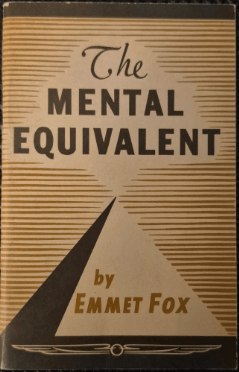
The Mental Equivalent
Learn how to create the mental and emotional conditions necessary to attract the life and outcomes you desire.
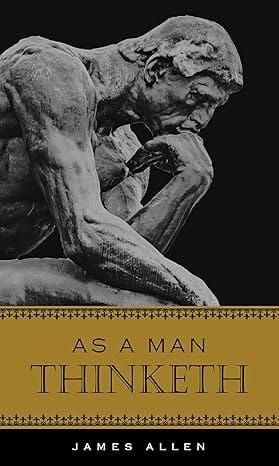
As a Man Thinketh
Your thoughts shape your character, habits, circumstances, and destiny. Master your mind and you transform your life.

The Game of Life
and How to Play It
A practical guide to spiritual laws, affirmations, faith, and aligning your thoughts and words with the life you want to create.

Local Success Club
A full system that shows you, step-by-step, how to start a real online business—even if you’re working full-time, even if you’ve never done this before.